Skip to content
Introduction
When it comes to choosing high-performance flooring for high-traffic or luxury spaces, End Grain Flooring stands out as a remarkable option. In this post, we’ll compare Oak End Grain Flooring with Traditional Hardwood Flooring — especially focusing on their pressure-resistance. If you’re a high-end project contractor, interior designer, or flooring distributor, read on to learn why end grain might be your best bet.
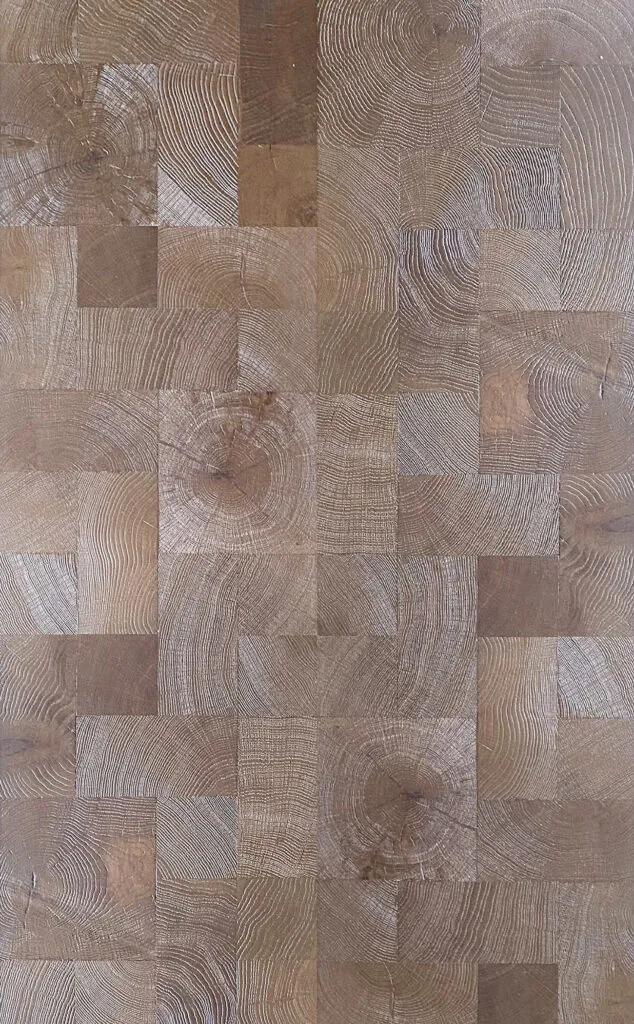
What Is End Grain Plank Flooring?
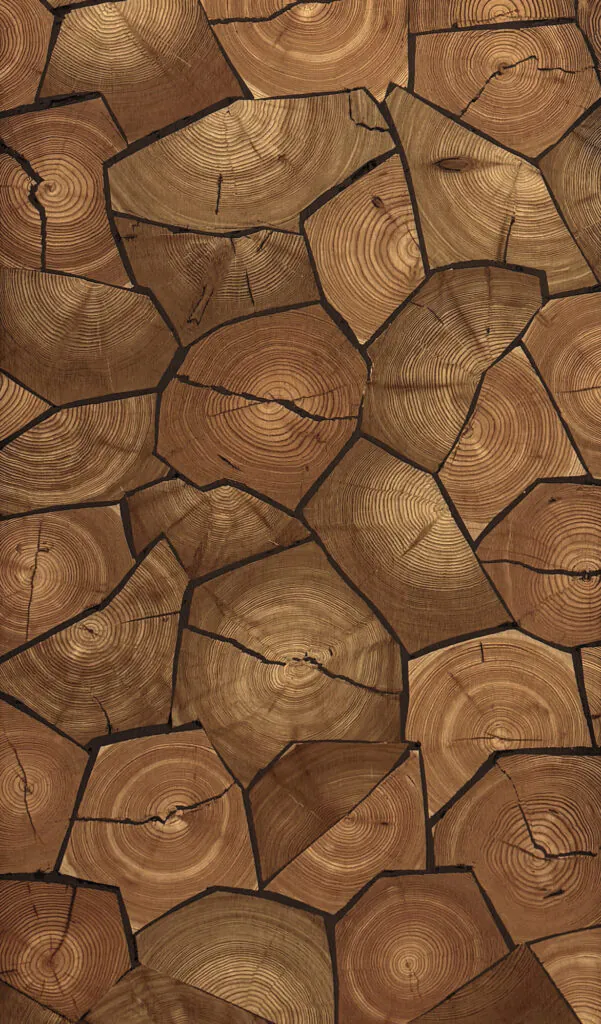
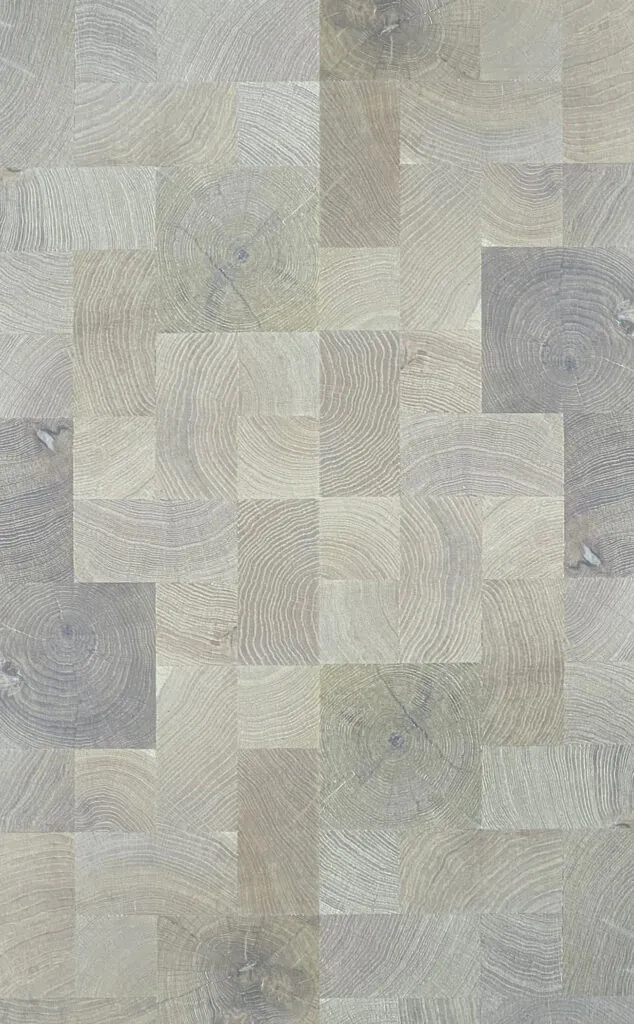
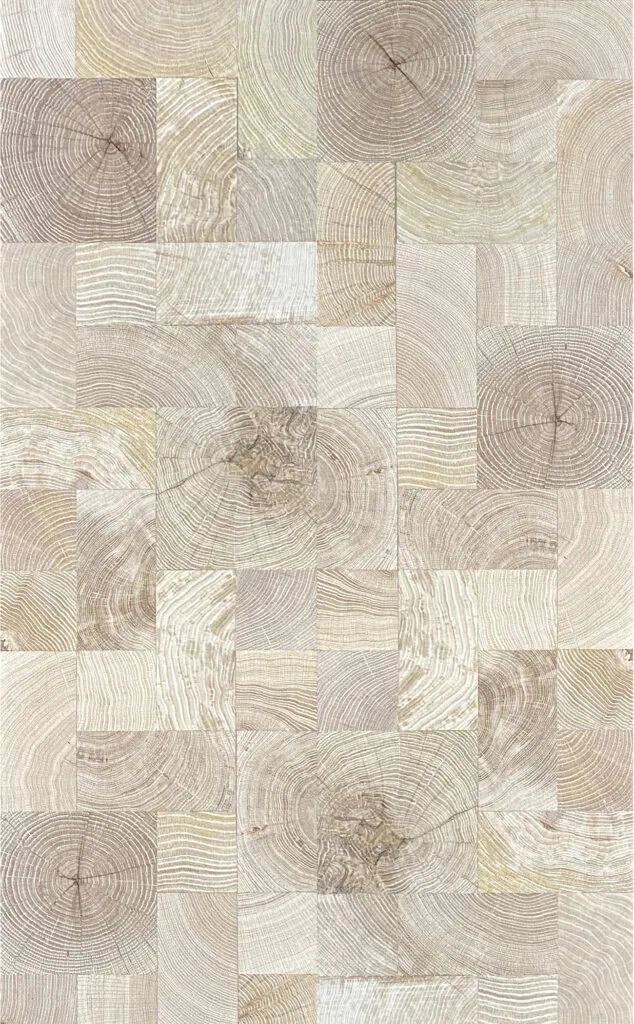
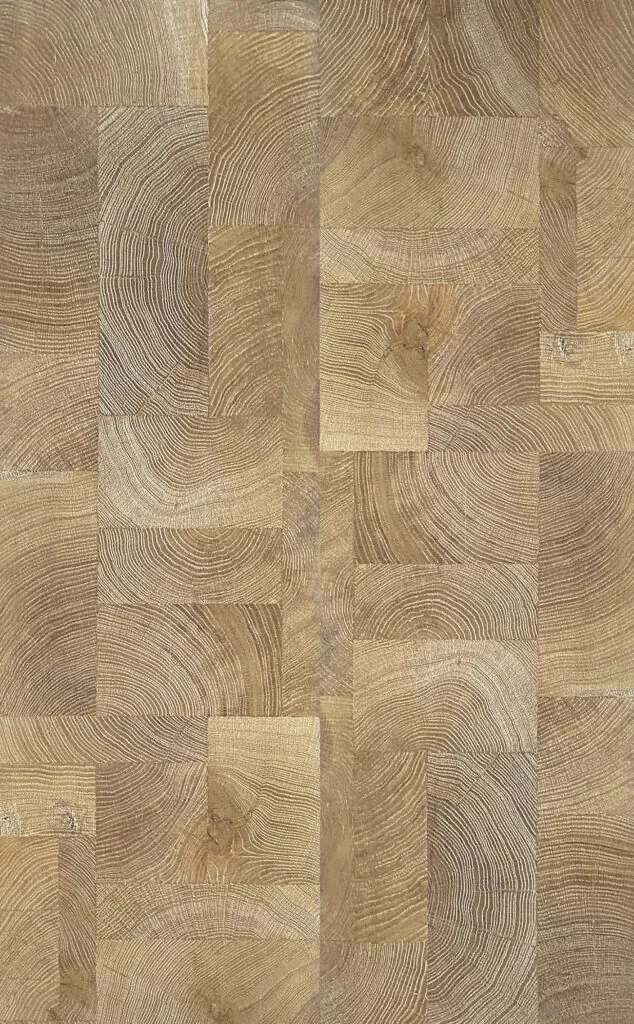
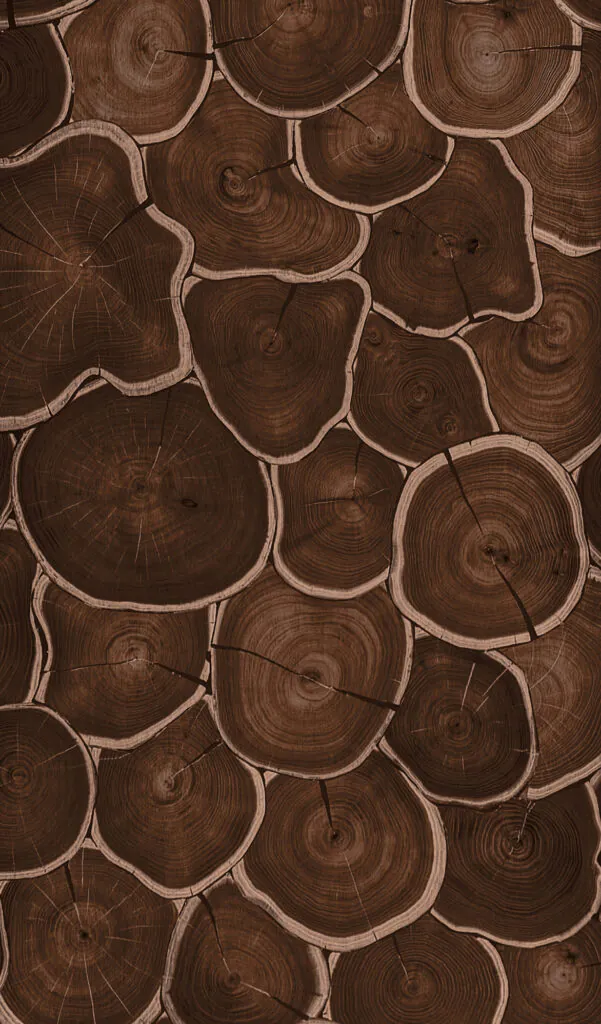
End Grain Plank Flooring (also called end-grain flooring) is constructed by orienting the wood’s cross-section vertically, so you see the ends of the growth rings on the surface. This is fundamentally different from traditional plank hardwood, where the wood grain runs longitudinally along the surface.
Key sub-series in this category include:
- End Grain Engineered Flooring
- End Grain Block Flooring
- Oak End Grain Flooring
- High End Flooring
- Luxury Flooring
These variants reflect different constructions (engineered vs. solid), block sizes, and design finishes.
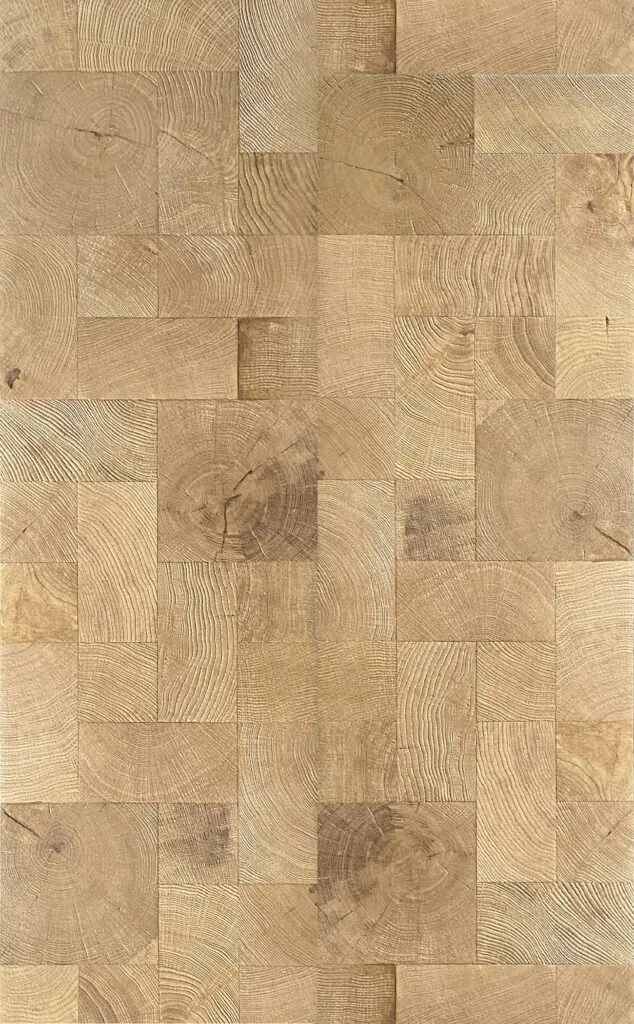
Why End Grain Flooring Is Exceptionally Durable
Here are some of the core product features shared by our end grain flooring line (across the sub-series above):
- Birch Plywood Core for Stability
Using birch plywood as a structural base gives our flooring a stable, clean-looking backing that resists warping. - Flexible, Customized Sizes
We offer custom block and plank sizes to match various design needs — whether you’re designing a boutique hotel lobby or a modern residence. - Advanced Production Technology
Our manufacturing process ensures that the surface plate does not peel or delaminate — critical for longevity under stress. - Luxury Appearance & Pattern Flexibility
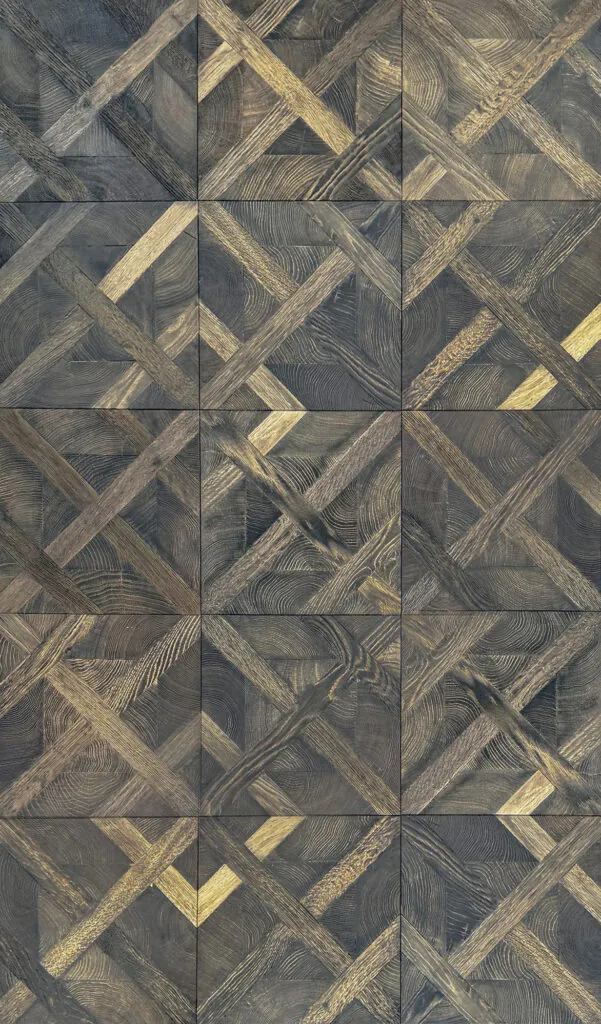
With end grain cuts, designers can choose from checkerboard, herringbone, basket-weave, and other patterns — creating truly bespoke visuals.
These design advantages are closely tied to the structural benefits of end grain orientation.
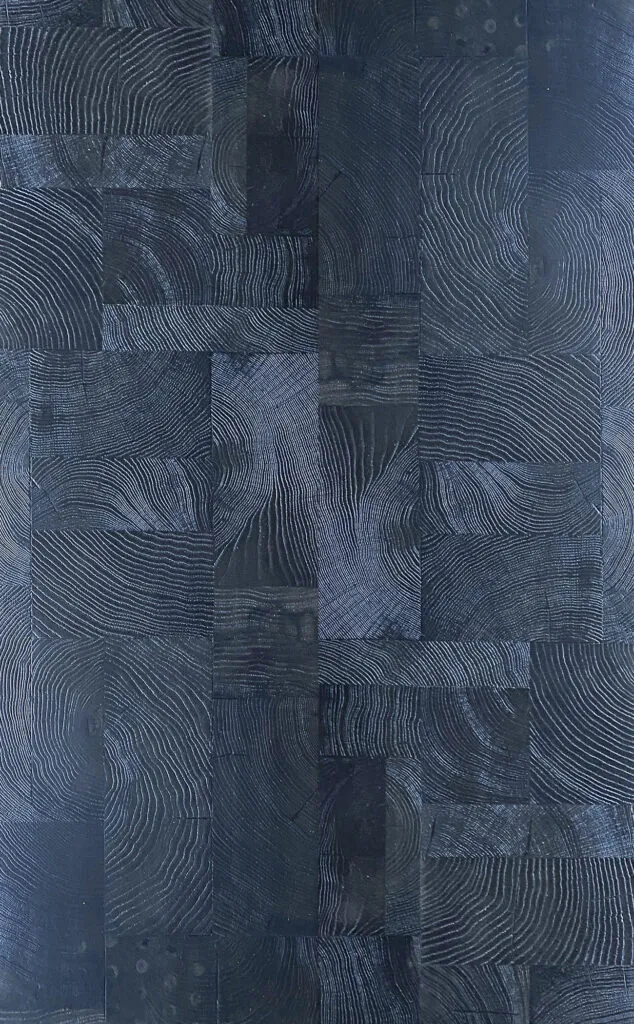
Oak End Grain Flooring vs. Traditional Hardwood: Pressure-Resistance Comparison
1. Grain Orientation & Compressive Strength
- In end grain flooring, the wood fibers are aligned vertically — like countless tiny columns. This configuration allows wood to resist compression much more effectively.
- Traditional hardwood (plank style) has its fibers running parallel to the surface, which gives good strength but is less efficient under compressive load.
2. Measuring Hardness & Crushing Strength
- For traditional flooring, Janka hardness is a common measure. It tests how much force is needed to embed a steel ball into the wood surface.
- For end grain, compressive strength parallel to the grain (sometimes called “crushing strength”) is more relevant. This measures how much force the wood can bear when pressed along the length of the fibers (i.e., through the ends).
- According to HCT Floors’ testing, some species achieve very high PSI in compressive strength when oriented this way — much more than what typical side-grain (traditional) flooring could handle.
3. Real-World Durability
- End grain flooring is known to withstand heavy foot traffic, repeated compression, and impacts.
- Traditional hardwood is strong, but under constant heavy use (commercial settings, heavy machinery, or dropped objects), it can dent, scratch, or wear more quickly.
- Because of its density and structure, end grain is also more resistant to moisture fluctuations, reducing the risk of warping or cupping.
Trade-offs to Consider
While end grain flooring offers many benefits, it’s not without trade-offs:
- Cost: End grain flooring tends to be more expensive upfront due to the labor-intensive production and material quality.
- Installation Complexity: Installing end grain blocks/planks requires precision, especially in pattern layout and adhesive bonding.
- Maintenance: While very durable, end grain may still require periodic oiling or refinishing to maintain its integrity and finish.
Ideal Use Cases & Application Scenarios
Thanks to its durability and visual appeal, oak end grain (and other end grain variants) is ideal for:
- High-traffic commercial spaces: retail stores, hotel lobbies, gallery floors
- Luxury residences: entryways, living rooms, kitchens that see heavy use
- Office renovations: creating a premium feel under heavy footfall
- High-end project contractors & designers: who demand both functionality and aesthetics
- E-commerce distributors: looking to offer a differentiated, high-value flooring product
Brand & Factory Advantages (Why Our End Grain Flooring Stands Out)
Here’s what makes our manufacturing and brand particularly competitive:
- High-End Design & Development Capabilities
We support bespoke projects and complex pattern designs. - Custom Sizes & Finishes
From block dimensions to oil or lacquer finishes — we tailor to your needs. - Fast Lead Time & Global Shipping
We understand commercial timelines, so we provide efficient production and worldwide logistics.
Representative Products
Here are a few related flooring products in the broader category (though not all are end grain — useful for comparison or complementary lines):
- San Romeo European Oak Engineered Flooring: Elegant wide-plank engineered flooring.
- Simba Engineered Wood Acorn Floor: Rich-tone engineered hardwood with modern dimensions.
- Firenze European Oak Engineered Flooring: Premium oak flooring for high-end interiors.
Conclusion & Recommendation
If your top priority is pressure-resistance and longevity, especially in a high-use or commercial context, Oak End Grain Flooring (and other end grain sub-series) clearly outperforms Traditional Hardwood Flooring. Its vertical fiber orientation, high compressive strength, and wear resistance make it a superior choice for demanding applications.
That said, if budget or installation constraints are tighter, traditional hardwood still offers strong performance, classic aesthetics, and a lower initial cost.